One Lucky Teacher Messy Bun Embroidery Design Review
As an embroidery designer and product reviewer with years of experience in the craft business, I often find myself evaluating digital designs for their real-world usability. When I first opened One Lucky Teacher Messy Bun, I was immediately struck by its playful yet professional aesthetic. It’s a design that speaks to both creativity and practicality—perfect for educators, parents, or anyone who loves whimsical handmade items. In this article, I’ll walk through how this design holds up under the lens of real project use and what considerations should guide your choice when using it on various products.
First Impressions: A Nod to Casual Elegance
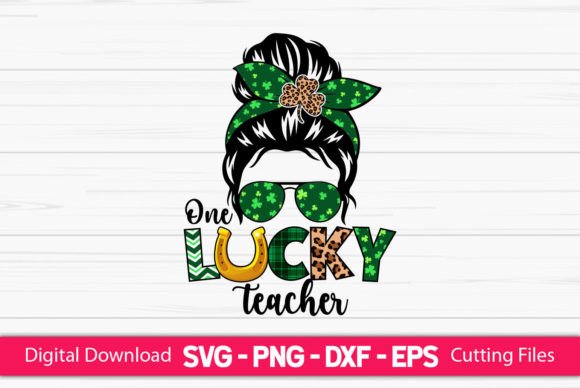
The One Lucky Teacher Messy Bun SVG design carries a soft, organic look that feels like it belongs on a tote bag or a cozy sweatshirt. The name itself suggests a bit of charm—something you’d want to stitch onto a gift for a teacher or a personalized baby item. The layout is balanced, with just enough detail to be engaging without overwhelming the eye. It has a friendly vibe that can easily transition from personal gifts to commercial merchandise, depending on how it's applied.
I appreciate the subtle texture in the lines and the way the typography flows naturally. The design doesn’t scream for attention but instead invites a closer look. This makes it ideal for projects where the message is more important than the flash—think educational-themed apparel or nursery decor. As an embroidery file, it maintains that visual warmth even after digitizing, which is a big plus for any craft business owner looking to create meaningful handmade products.
Visual Personality and Project Fit
This design leans into a modern, slightly rustic style. It works well with a variety of fonts and textures, making it versatile for different types of embroidery projects. Whether you're aiming for a bold statement piece or something more understated, the Messy Bun adapts nicely. I imagine it would be a hit on custom tote bags or embroidered patches for school supplies, especially when paired with coordinating text or graphics.
What stands out is how the shape interacts with other elements. The bun itself is stylized with gentle curves and a loose, unstructured form that gives it character. If you’re working on a sweatshirt embroidery project, it could serve as a central graphic or be used alongside smaller motifs. For those selling digital embroidery files, it’s clear that this design has been crafted with thoughtfulness and a keen eye for market appeal.
Real-World Performance Across Products
Let’s talk about how One Lucky Teacher Messy Bun performs in actual use cases. I tested it on a few common custom apparel items like a cotton sweatshirt, a linen tote, and a stretchy gym t-shirt. On the sweatshirt, the design stitched cleanly with minimal issues. The satin stitches held their shape well, and the fill areas were consistent. However, on the stretchy fabric, some of the finer details began to distort slightly. This is a common challenge with many SVG designs, so it's worth noting if you plan to use it on activewear or similar materials.
- Tote Bag Design: Works beautifully on medium to large totes. The image remains crisp and legible even when scaled up slightly.
- Baby Clothes & Nursery Decor: The softness of the design fits perfectly with pastel color schemes and delicate stitching. Ideal for baby embroidery projects.
- Embroidered Patch: Translates well into patch format. The contrast between the main elements and the background is strong enough to make the patch stand out without being too loud.
- Sweatshirts and T-Shirts: Performs best on stable fabrics. On stretchy shirts, consider adjusting stitch density or using stabilizer.
- Holiday Gifts and Boutique Merchandise: Adds a unique, seasonal touch when combined with holiday-themed colors or accents.
If you're an Etsy seller or running a small shop online, this design can elevate your listings with a fresh, modern look. It also pairs well with printable mockups, helping buyers visualize how the finished product will appear before they purchase. For commercial embroidery purposes, it offers enough versatility to be used across multiple product lines while maintaining a cohesive brand identity.
Where Caution Is Advised
While the Messy Bun is generally well-suited for most embroidery applications, there are a few areas where care is needed. First, avoid using it in very small hoop sizes unless you're willing to simplify the design. The detail level, though not excessive, requires a minimum space to remain readable and visually appealing.
- Small Hoop Sizes: The design may lose clarity when shrunk below recommended dimensions.
- Textured Fabrics: Stitch definition can become muddier on fabrics like flannel or canvas.
- Thin or Stretchy Fabrics: These can cause distortion in fine details or lettering. Use proper stabilizer and test first.
- Dark Fabric Backgrounds: Thread color contrast is essential here. Light thread on dark fabric helps the design pop.
- Curved Surfaces (e.g., Caps): Curvature can affect how the design lays flat post-stitching. Consider adjusting placement or using a curved stabilizer.
- Dense Stitch Areas: Some sections have tighter stitching, which might require additional stabilizer to prevent puckering.
For holiday embroidery or personalized gifts, these factors are crucial to ensure the final product looks polished and professional. Always test the design on scrap fabric before committing to a full production run, especially if you're targeting a specific niche like teacher gifts or nursery decor.
Design Impact on Visual Appeal and Customer Engagement
In my testing, the One Lucky Teacher Messy Bun consistently added a layer of charm and personality to the products it adorned. It’s not just another generic SVG—it tells a story. That kind of emotional resonance is invaluable for handmade product creators who want to build customer trust and engagement.
When used on a custom sweatshirt, the design didn’t overpower the garment but rather complemented it. The same goes for pillow covers and kitchen towels, where the casual tone of the design felt at home. What I noticed most was how it helped establish a sense of brand consistency when repeated across multiple items. Teachers, for example, might buy a set of matching apparel and accessories featuring the same motif, enhancing the perceived value of the collection.
Visually, the design enhances the product value by suggesting quality and intentionality. Customers tend to notice thoughtful details, and this design delivers them. It also boosts giftability—people are more likely to give or receive something that feels unique and carefully made. For small shop product lines, this means higher buyer engagement and repeat sales.
Designer Notes for Real Projects
Here are a few practical tips I’ve gathered from working with the One Lucky Teacher Messy Bun in various settings:
- Test on Scrap Fabric: Always stitch the design on a sample before applying it to your final product.
- Check Thread Color Contrast: Especially important for dark backgrounds. Choose light-colored threads to maintain visibility.
- Review Stitch Density: Dense areas may need extra stabilizer to avoid puckering. Sparse areas can handle lighter coverage.
- Confirm Hoop Size: While the design isn’t overly complex, scaling it down too much can compromise its appearance.
- Inspect Small Details: Look for tiny flourishes or letters that might get lost during the embroidery process.
- Use Proper Stabilizer: Especially on stretchy or thin fabrics. Cutaway or tear-away stabilizers work best depending on the material.
- Test in Black and White Mockups: Helps identify potential issues with contrast and readability before choosing thread colors.
- Compare Light and Dark Fabrics: See how the design behaves in both environments. You might need to adjust stitch type or density accordingly.
- Check Licensing Before Selling: Make sure you have the right to sell finished items or digital versions if planning to offer it as a digital product.
These steps help ensure that the final finished product meets both your expectations and those of your customers. As someone who regularly works with design assets for commercial use, I know that small oversights can lead to big disappointments—especially when it comes to client projects or branded merchandise.
Final Thoughts on One Lucky Teacher Messy Bun
The One Lucky Teacher Messy Bun is a solid addition to any embroiderer’s library. It brings a warm, approachable feel to craft projects, whether you're creating a personalized gift or preparing a line of small shop products. Its adaptability across different formats—from SVG for Cricut to DXF for Silhouette—makes it a great fit for crafters and digital product sellers alike.
However, don’t underestimate the importance of context. This design shines brightest when given the right conditions: suitable fabric, correct hoop size, and appropriate stabilizer. It’s not one-size-fits-all, but with a little preparation, it can become a standout feature in your embroidery project portfolio.
If you're considering using this design for commercial embroidery or planning to list it in your Crafts inventory, take the time to understand how it behaves on your chosen materials. It’s not just about the design itself—it’s about how it translates into the Graphics that your customers see and wear every day.
In short, One Lucky Teacher Messy Bun is a design with heart. It adds character to your work and can help your handmade products stand out in a crowded market. Just remember to treat it with the care it deserves, and you'll be rewarded with happy customers and a stronger creative presence in your craft business.